
How To Build An Emergency Fund Fast (even On A Low Income) - Part 2
 25
25  1
1  4
4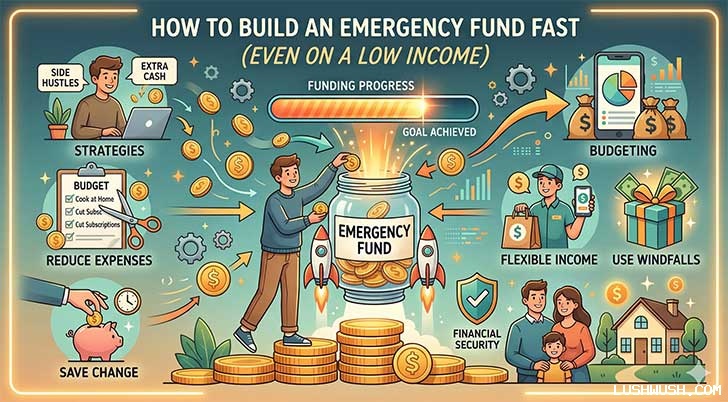

How to Build an Emergency Fund Fast (Even on a Low Income) - Part 2
Welcome back to Part 2 of our Smart Savings series! In our last post, we talked about the famous 50/30/20 budget rule and how assigning 20% of your income to savings can completely change your financial life.
But once you start setting that 20% aside, what exactly should you do with it? Should you immediately buy gold or invest in stocks?
Before you start investing, there is one crucial step you must take to protect yourself: Building an Emergency Fund. ### What is an Emergency Fund?
Simply put, an emergency fund is a stash of cash set aside specifically to cover unplanned, unexpected expenses.
Life is unpredictable. Your car might break down on the way to work, your laptop might suddenly stop working right before a big project, or you might face an unexpected medical bill. When these things happen, having an emergency fund means you don't have to panic, borrow money from friends, or swipe a high-interest credit card. It is your personal financial safety net.
How Much Money Do You Actually Need?
If you read personal finance books, experts often say you need "three to six months of living expenses" saved up. While that is a great long-term goal, hearing that massive number can be incredibly overwhelming for a beginner.
Instead of stressing over saving six months of rent, start with a micro-goal: The $500 to $1,000 Buffer. Having just $500 to $1,000 sitting in a safe account is enough to cover about 80% of everyday emergencies (like a flat tire or a broken phone screen). Focus entirely on hitting that first small milestone. Once you reach it, you will feel a massive weight lift off your shoulders, and you can slowly start building toward the 3-month goal.
Where Should You Keep This Money?
This is a very common mistake: people leave their emergency money in their main checking account.
If your emergency fund is sitting right next to your grocery and shopping money, you will accidentally spend it. Instead, you need to keep it out of sight but easily accessible.
Open a Separate Account: Open a completely separate bank accountpreferably a high-yield savings account if your bank offers onejust for emergencies.
No Debit Card: Do not carry the debit card for this account in your wallet.
High Liquidity: Unlike physical real estate or locked investment bonds, your emergency fund must be "liquid." This means you should be able to transfer the money to your main account or withdraw it within 24 hours without paying any penalty fees.
The "Is It An Emergency?" Test
It is tempting to dip into this fund when you see a massive sale on your favorite shoes or when you really want to book a weekend getaway. But remember, a sale is not an emergency.
Before you touch this money, ask yourself three questions:
Is it unexpected?
Is it absolutely necessary?
Is it urgent?
If the answer to all three is yes, use the money! That is exactly what it is there for. Once the emergency passes, you can simply go back to your 50/30/20 rule and start refilling the fund with your 20% savings slice.
Building an emergency fund isn't about getting rich; it is about buying peace of mind. It allows you to sleep peacefully at night, knowing that whatever financial surprises tomorrow brings, you are completely ready to handle them.



















All comments, feedback, information or materials except email addresses submitted to Lush Wush shall be considered non-confidential and its property. By submitting such comments, feedback, information or materials to us, you agree to a no-charge assignment of all worldwide rights. For the best interest of the community, please refrain from posting vulgar comments, profanity, or personal attacks. Comments submitted may automatically be flagged for review by our moderation team before appearing on the website.